
Topic
Investment Banking Industry Trends: What Is Actually Reshaping Deal Flow?
Fee pressure, private capital and automation are changing how deals get made — and how banks get paid.
Fee pressure, private capital and automation are changing how deals get made — and how banks get paid.

A look behind the desk: where the raw material comes from, how it gets checked, and why the story you read at 7 a.m. looks the way it does.
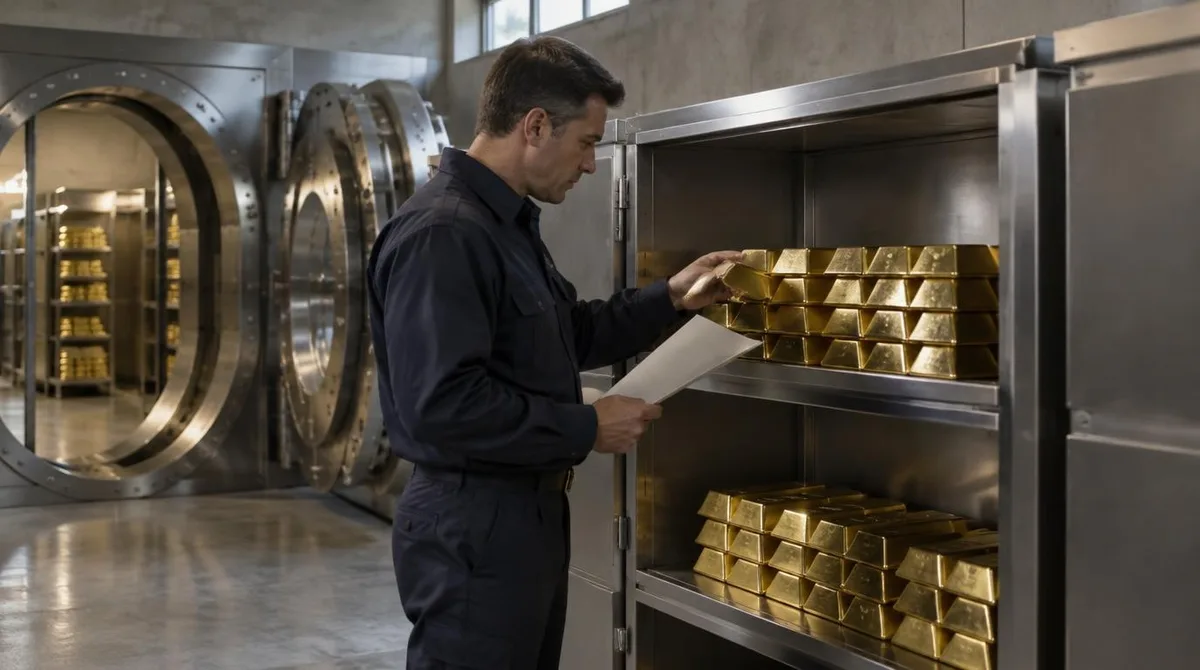
Two commodity wrappers hold different things: SPDR Gold Shares owns bullion bars, while United States Oil Fund owns futures contracts. The prospectus objective lines explain the tracking arithmetic.

Central bank decisions do not touch your accounts directly. They move a chain of reference rates, and each link in that chain behaves differently.

The headline numbers are written for you. The five lines below them are written about you — and they reward a skimmer who knows where to look.
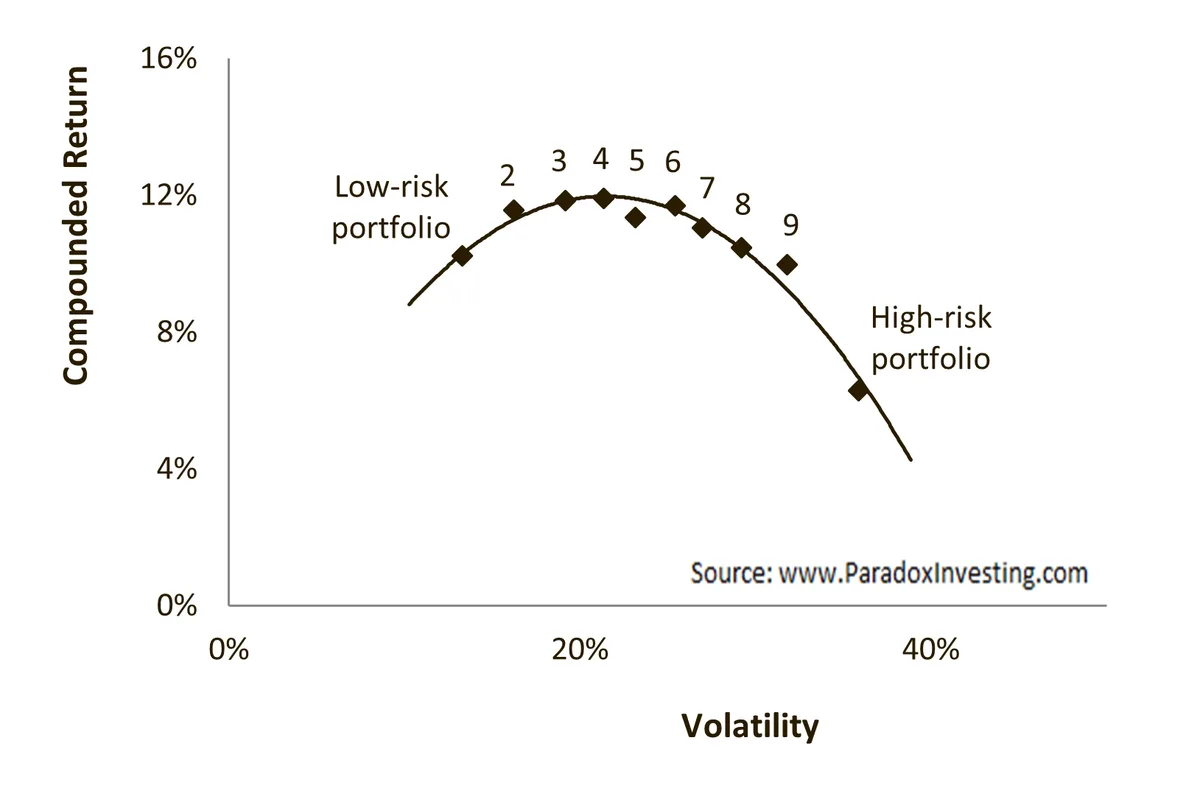
Rebalancing is risk control first: Vanguard’s 1926 through 2014 test puts the untended 50/50 portfolio at 13.2 percent volatility against 9.9 percent for the rebalanced twin, with trade costs, not schedules, deciding the rest.

Energy, metals and crops trade in the same markets but answer to different clocks, different drivers and different risks.

Neither. The honest answer is that the two methods answer different questions, and each adds edge only in the narrow territory where its assumptions hold.

The regional lender reports Thursday after the close, and its record against estimates — not its growth rate — is the number to watch.
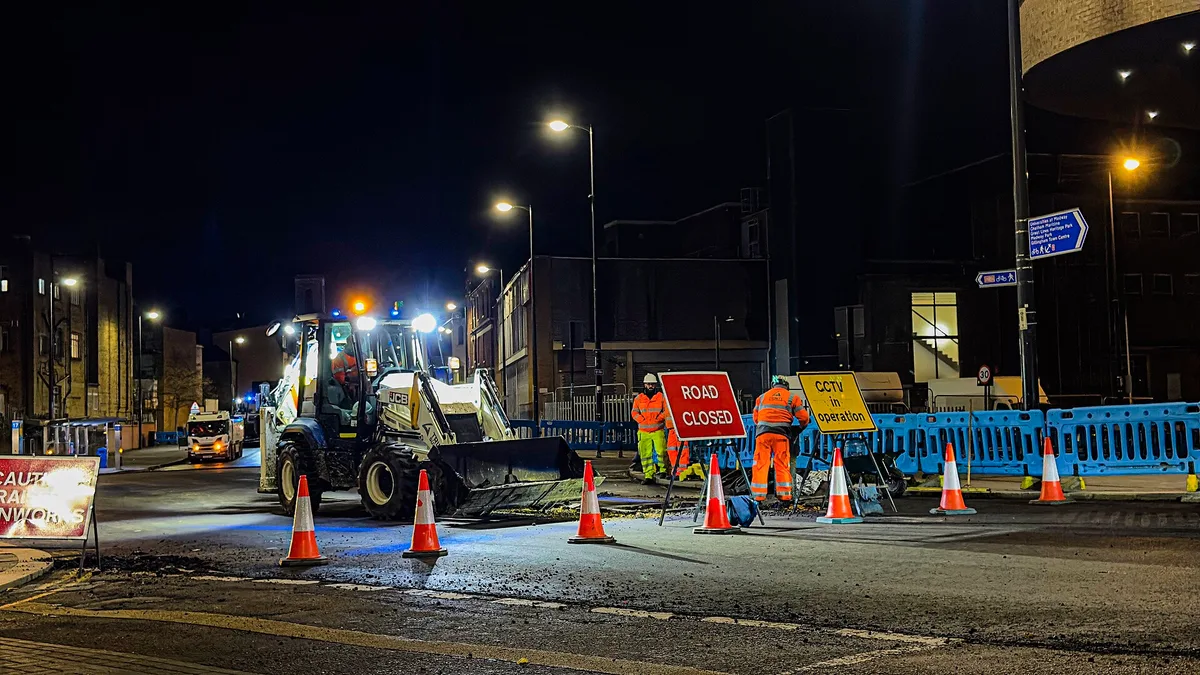
A shutdown should be arithmetic: fewer plants, lower costs, better margins. The tape often disagrees, and the disagreement has a logic worth reading.