
Topic
How Finance News Channels Turn Filings and Data Into Morning Coverage
A look behind the desk: where the raw material comes from, how it gets checked, and why the story you read at 7 a.m. looks the way it does.
A look behind the desk: where the raw material comes from, how it gets checked, and why the story you read at 7 a.m. looks the way it does.

Central bank decisions do not touch your accounts directly. They move a chain of reference rates, and each link in that chain behaves differently.

Neither. The honest answer is that the two methods answer different questions, and each adds edge only in the narrow territory where its assumptions hold.

A shutdown should be arithmetic: fewer plants, lower costs, better margins. The tape often disagrees, and the disagreement has a logic worth reading.
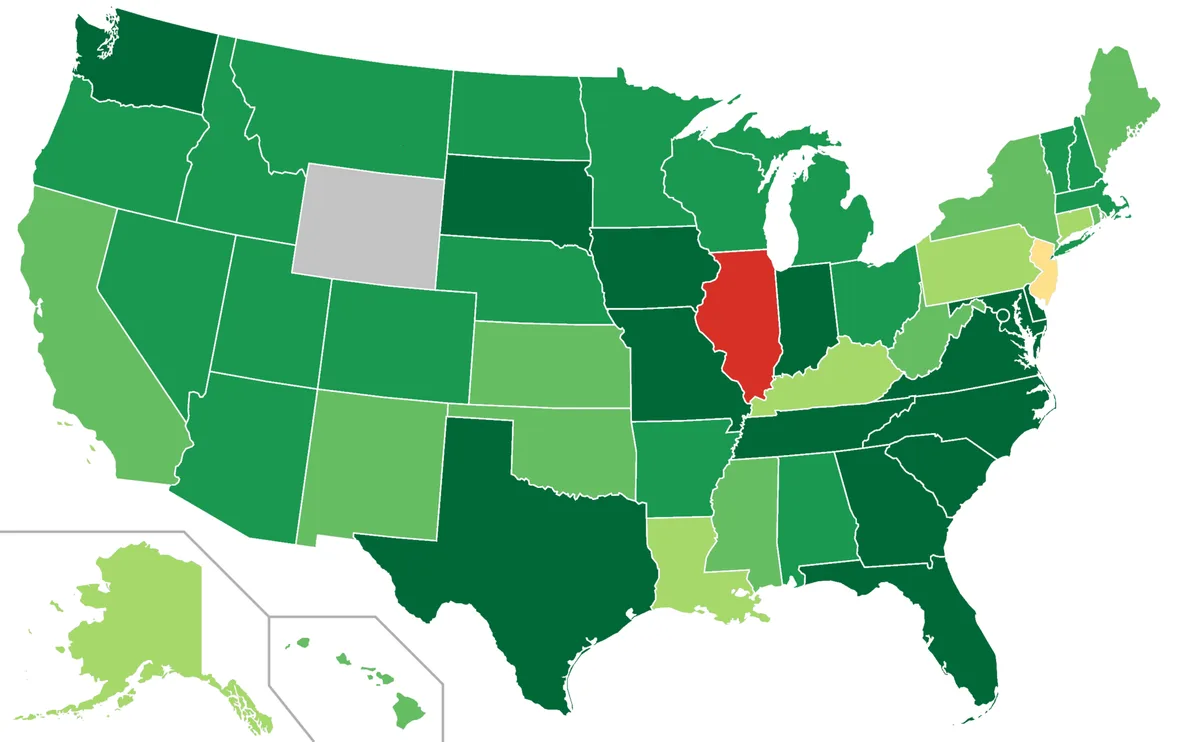
Most folklore about credit scores points at the wrong levers. The record of borrowing and repayment does most of the work.
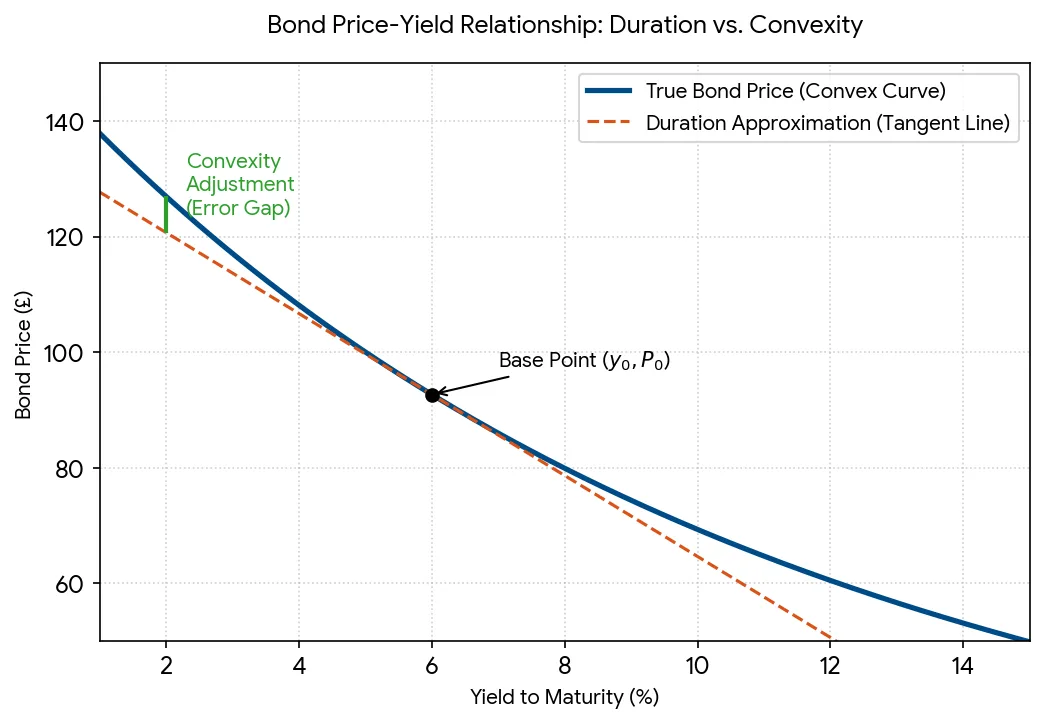
Duration is the number that tells you how hard rising rates will hit a bond portfolio — and most holders never check it.

Most people read too much market coverage and retain almost none of it. A fixed half-hour, once a week, fixes both problems.

Strong data should lift stocks. Often it does the opposite, and the reason sits in expectations, not in the headline itself.